If you’re responsible for stable monofilament output, you’ve seen how small process drift turns into big problems: diameter swings, inconsistent stiffness, surface roughness, more breaks, and more scrap.
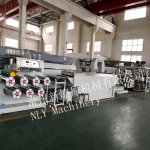
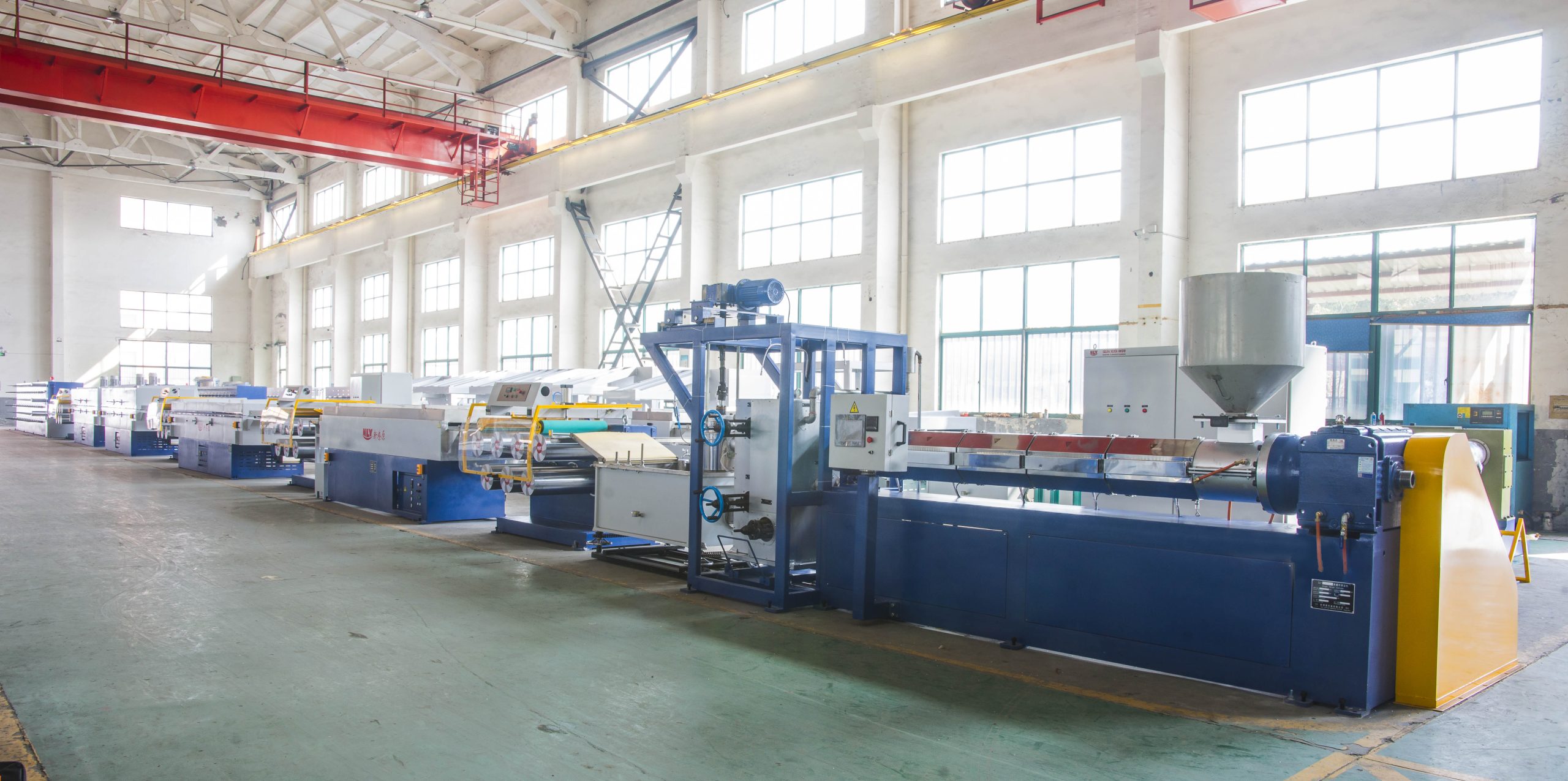
A monofilament extrusion machine (often called a monofilament extrusion line) is the system that turns polymer pellets into a continuous, single-strand filament with a controlled diameter and performance.
This article explains what the line is, how it works end to end, and what typically matters most when you’re doing brush bristle filament extrusion using PET, PA (nylon), PP, or PE/HDPE.
What a monofilament extrusion line does (in one sentence)
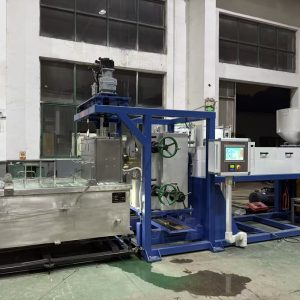
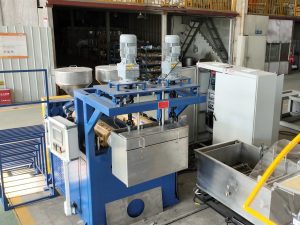
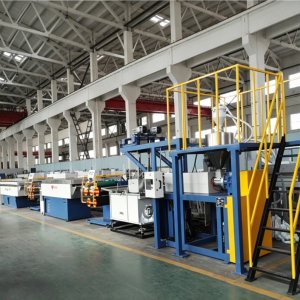
A monofilament extrusion line melts polymer, pushes it through a precision die to form one or more strands, then cools, draws, heat-sets, and winds the filament so it hits the required diameter and properties.
One clear breakdown of these stages (drying → extrusion → pump → quench → drawing → annealing → winding) is described in PLASCO’s Monofilament Extrusion Process overview.
Why brush bristle filament is a different kind of “quality” problem
Brush bristle filament isn’t only judged by “does it meet tensile specs.” It’s judged by feel and behavior in the finished brush:
Stiffness vs. softness (too stiff scratches; too soft collapses)
Spring-back (how well it returns after bending)
Surface finish (roughness shows up as drag and inconsistent performance)
Consistency spool to spool (operators hate settings that need constant babysitting)
Those are the same fundamentals zipper monofilament teams care about: stable diameter, controlled orientation from drawing, and repeatable heat-setting.
The core sections of a monofilament extrusion machine (and what each one controls)
Most lines are described as “extrusion + drawing + winding,” but that hides the real story. Stability comes from reducing variation before it reaches the next section.
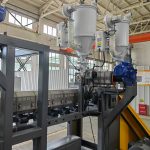
Material drying and feeding
For hygroscopic polymers (especially many nylons), drying is a quality gate. Moisture can show up as bubbles, surface defects, and unstable extrusion.
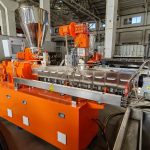
Extruder (melting and homogenizing)
The extruder’s job is to melt the polymer and deliver a stable, uniform melt.
What it influences:
melt temperature uniformity
pressure stability
degradation risk (overheating, too much shear)
Melt filtration / screen change
Even small contamination can print straight onto the filament surface and show up later as rough feel or weak points.
Metering pump (spinning pump / gear pump)
If the extruder is “bulk melting,” the metering pump is “precision flow.” It evens out delivery to the die so flow stays consistent.
Die / spinneret (filament forming)
The die is where geometry becomes reality.
What it influences:
initial diameter and roundness
surface finish (via die condition and melt cleanliness)
stability before quench
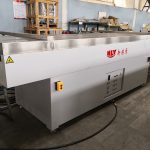
Quench water bath (cooling and shape lock-in)
After the die, the water bath sets the filament shape and stabilizes the surface.
What it influences:
surface appearance and smoothness
residual stress before drawing
early-stage diameter stability
If you see “good diameter at start of shift, then drift,” cooling water stability and contamination are common suspects.
Godets and drawing (orientation and strength)
Drawing stretches the filament so polymer chains align. This is where strength and much of the “feel” gets set.
What it influences:
tensile strength and elongation balance
stiffness vs. flexibility (critical for brush bristles)
long-term dimensional stability
Pro Tip: When a line “can’t hold diameter” but your die and pump look fine, check the draw section and tension control. A small speed mismatch can look like a diameter problem downstream.
Annealing / heat-setting (stability and shrink control)
Annealing is where you stabilize the filament so it doesn’t keep moving after you wind it.
What it influences:
shrinkage behavior
coil stability on the spool
run-to-run repeatability
Surface finishing (oiling)
Many lines apply a surface finish to reduce friction and improve downstream handling.
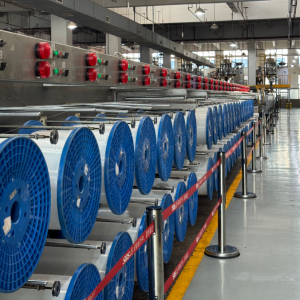
Winding (tension and package quality)
Winding is where “good filament” can be ruined.
What it influences:
package density and stability
tension consistency (which can cause deformation)
unwinding behavior in downstream bristle-making steps
What to measure in-process (before you chase problems downstream)
If you want stable production, don’t rely on end-of-spool checks alone.
Diameter monitoring
In extrusion practice, laser measurement is commonly used for continuous diameter monitoring. Dynisco notes that monofilament diameter can be continuously monitored with a laser in The Dynisco Extrusion Processors Handbook (PDF).
Tension and speed synchronization
A lot of “mystery variation” is tension variation. Track it at:
post-quench take-off
between draw stages
into the winder
Visual surface inspection
If you see periodic roughness or haze, it often correlates with:
filtration/screen issues
die condition
cooling water quality
Material notes: PET vs PA (nylon) vs PP vs PE/HDPE
This is not a resin selection guide, but a few realities help you ask better questions.
PA (nylon)
Nylon monofilament is produced by melting nylon polymer and extruding it through a die. NYCOA also highlights how critical consistency in tension and diameter is in practice .
Practical watch-outs:
treat drying as a first-class step
watch tension through drawing and take-up
PET
PET monofilament extrusion for brush bristles often lives or dies on melt cleanliness, stable cooling, and controlled drawing.
PP
PP can work well for many industrial monofilament applications. Drawing and heat-setting largely determine whether you end up with a stable stiffness profile.
PE/HDPE
PE/HDPE monofilaments are often used where toughness and flexibility matter. Cooling and tension control are usually the first checks when you see drift.
Common defects and the fastest first checks
When a line goes unstable, the best teams check in a consistent order so they don’t waste hours.
Diameter variation
First checks:
melt pressure stability (extruder + pump)
screen/filter condition
cooling water temperature stability
draw speed synchronization
Frequent breaks in drawing
First checks:
draw ratio too aggressive for the current melt state
localized contamination (die/filter)
inconsistent cooling (filament not stabilized before draw)
Rough surface / poor feel
First checks:
filtration and die condition
cooling water quality and flow patterns
surface finishing consistency
⚠️ Warning: Don’t “fix” a surface problem by only changing winding tension. You may hide the symptom and create new diameter instability.
What this means for brush bristle filament (and why zipper teams should care)
Brush filament puts a spotlight on things that are easy to ignore in other applications: surface feel, stiffness consistency, and spring-back. If you can control those, you’re usually also building the discipline needed for tight diameter control in zipper monofilament.
Next steps
If you want a second set of eyes on your target filament properties, document four things: polymer grade, target diameter range, required stiffness/softness, and the downstream brush process.
If you need a vendor example of how suppliers frame application tuning, NLY outlines brush-filament quality targets like softness, elasticity, and surface consistency on its cosmetic brush monofilament extrusion line page. For a broader view of delivered line solutions, see NLY’s Solutions page.