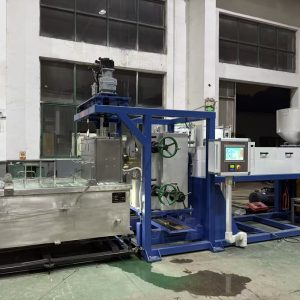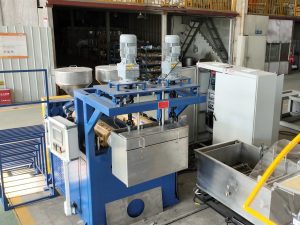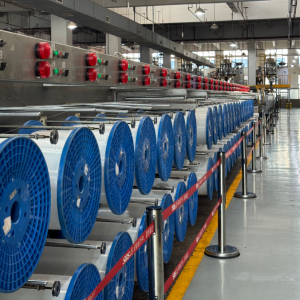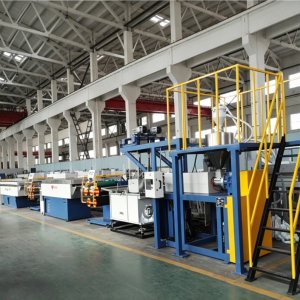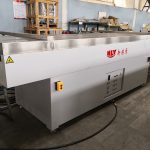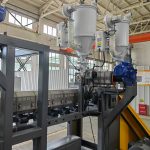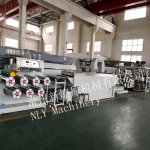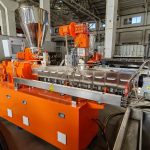
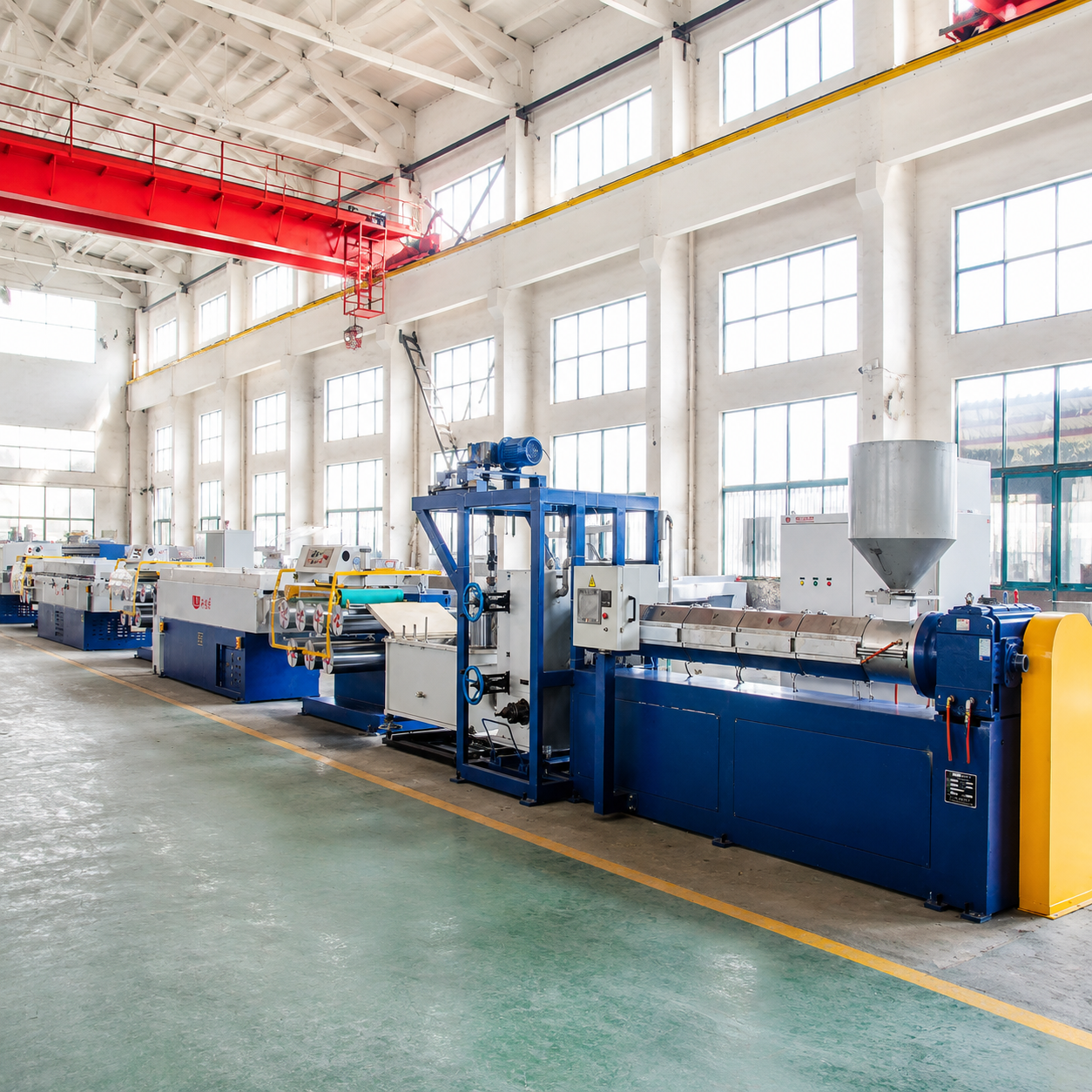
A monofilament extrusion process is a continuous manufacturing method that turns polymer resin (pellets) into a single, solid filament with a controlled diameter, stable mechanical properties, and predictable downstream behavior. “Monofilament” simply means one strand (as opposed to multifilament yarns made from many fine strands).
In production terms, the process is about control:
Geometry control (diameter and roundness)
Property control (strength, elongation, stiffness)
Stability control (breaks, scrap rate, consistent winding)
If you want a general baseline first, NLY’s guide to plastic extrusion basics is a useful reference. This article focuses specifically on monofilament.
Why the monofilament extrusion process matters in real production
Monofilament customers rarely buy “an extruder.” They buy repeatable output.
A stable process reduces:
Scrap from diameter drift and ovality (out-of-round)
Breaks in the drawing section (often the fastest way to lose uptime)
Downstream problems like unstable unwinding, inconsistent stiffness, and shrinkage surprises
This is why monofilament lines are usually designed and tuned as a system: melt delivery → shaping/cooling → drawing/orientation → heat-setting → winding.
Monofilament extrusion process: step-by-step (and what each step controls)
Below is a plant-floor way to think about the line. Each stage has a primary “control job.” If you’re troubleshooting, start with the stage that owns the control job you’re failing.
You might also see this described as how monofilament is made—the steps are the same, but the goal is always stable geometry first, then stable properties.
1) Material conditioning (drying when needed)
Some polymers (especially many nylons/PA and PET grades) are moisture-sensitive. If moisture gets into the melt, it can show up as bubbles/voids, unstable flow, and weak spots.
Control intent: keep resin condition stable so viscosity and melt quality don’t swing across the shift.
2) Extrusion and melt delivery (stable melt to the die)
The extruder’s role is simple to state and hard to execute: deliver a clean, uniform melt at a stable pressure and temperature to the die.
NLY breaks this down clearly in its plastic monofilament extruder working principle (extruder section only).
Control intent: melt quality and stability.
Typical hardware in this zone may include:
a single-screw extruder (plasticizing and conveying)
melt filtration (screen pack) to remove contaminants
a melt pump/gear pump on some lines to reduce flow pulsation and stabilize throughput
3) Die / spinneret and quench water bath (lock in geometry)
The die (sometimes called a spinneret in fiber-style lines) forms the initial strand. Then the strand must be cooled in a controlled way so the geometry “locks in” before downstream tension stretches it.
For many monofilament sizes, a water bath is used because it provides stronger heat transfer than air. The PMC review notes that thicker filaments often require a water bath because convective air cooling is limited (PMC, 2020).
Control intent: diameter and roundness.
A practical rule: quench instability tends to get amplified later.
Pro Tip: If you see ovality or wandering diameter, stabilize the quench first (water temperature, level, flow symmetry, strand path) before “chasing it” with draw settings.
For a monofilament-specific view of why this matters, see NLY’s guide to nylon monofilament water bath cooling and how it affects performance.
4) Drawing / orientation (set strength and stiffness)
After quenching, the filament is stretched in the solid state to align polymer chains along the filament axis. This stage is often called the monofilament drawing process.
It’s commonly done using godet rolls (driven rollers) and heated zones (hot air ovens or hot water baths) to bring the filament into a workable temperature window.
Control intent: mechanical properties and process stability.
What “draw ratio” means (in practical terms)
In a roller system, draw ratio is created by the speed difference between driven sections. For example, a stage draw ratio is often described as V2/V1 (downstream godet surface speed divided by upstream godet surface speed).
NLY explains draw ratio control (including why multi-stage drawing can widen the stable window) in How multi-stage draw ratio control keeps stretching stable.
5) Heat-setting / annealing (reduce stress and control shrinkage)
After drawing, the filament contains internal stress. Heat-setting (often under controlled tension) helps stabilize dimensions and reduce unpredictable shrinkage.
This is one of the reasons “good-looking” filament right off the die can still create problems later—stress can show up during winding, storage, or downstream processing.
For a general explanation of why cooling rate and residual orientation matter, Polymer Processing’s overview on cooling rate and polymer orientation (PTOnline, 2015) is a useful concept reference.
6) Winding (package build and downstream usability)
Finally, monofilament is wound onto spools. This isn’t just packaging—it’s a process step that affects surface damage, unwinding stability, and tension history.
Control intent: package build without crushing, telescoping, or tension spikes.
Common monofilament problems (and the stage to look at first)
Here’s a practical troubleshooting map. The point isn’t to memorize it—it’s to stop guessing which knob to turn first.
Diameter drift
Start checks:
melt stability trends (pressure and temperature)
feeding consistency
quench stability
draw section speed synchronization
For a structured “zone” approach to stability, see NLY’s guide on increasing monofilament extrusion line output without losing stability.
Ovality (out-of-round)
Start checks:
quench symmetry (flow, turbulence, strand path alignment)
die alignment and cleanliness
Breaks in drawing
Start checks:
draw ratio window and heating consistency
weak spots from contamination/moisture
tension stability between stages
Specks, gels, surface lines
Start checks:
filtration discipline
resin cleanliness and handling
die deposits / thermal degradation risks
What this process is not (common confusion)
Monofilament vs multifilament: monofilament is one strand; multifilament yarn bundles many fine filaments.
Monofilament extrusion vs “general extrusion”: the core melting and die shaping are similar, but monofilament adds an intentionally controlled drawing + heat-setting sequence to lock in properties.
FAQ
Is monofilament always plastic?
Most industrial monofilaments are thermoplastics (PP, PE, PET, PA/nylon). The exact process window depends heavily on polymer type and target diameter.
What determines the final diameter—die hole size or line speed?
Both. The die hole creates the initial strand geometry, but downstream pull speed, quench behavior, and draw settings influence the final diameter and stability.
Why is quench control so important?
Because quench conditions help “freeze” the strand’s geometry and internal structure. If cooling is uneven, later drawing can magnify small asymmetries into ovality, diameter instability, or breaks.
Next step (if you’re planning a new line or troubleshooting)
If you share polymer (PA/PET/PP/PE), target diameter range, and end-use (zipper/brush/net/rope/etc.), NLY can help you map a practical control plan and line layout—starting from melt delivery and quench stability, not guesswork. You can browse typical configurations on the NLY products page, then request a configuration + sample/FAT plan.